Service dogs
Service Dogs – Loyal Partners on the Path to Rehabilitation
A service dog is much more than a friend – it is an anchor.
For those suffering from post-traumatic stress disorder (PTSD), a skilled dog is more than just a pet. It is a professional therapy partner, trained to recognize early signs of anxiety, interrupt panic attacks, wake up from nightmares, and provide a calming and safe presence in challenging situations.
The Tail Unit Association works to make professional service dogs accessible to trauma victims in Israel, with precise personal matching between the dog and its owner and with accompaniment throughout the entire process.

How does a service dog help PTSD victims?
Our model is based on three key principles:
Reducing anxiety and stress levels
הנוכחות הקבועה של הכלב מורידה את רמות הקורטיזול בגוף
Improving sleep quality
הכלב מאומן להעיר מסיוטים ולהוות נוכחות מרגיעה בלילה
Return to daily functioning
The need to care for a dog creates a routine, structure, and motivation to get up in the morning.
Going out into the public space
The dog acts as a "buffer" that allows you to cope with crowded places.
Renewed social connection
The dog is a natural bridge for social interactions.
Feeling of security
The dog's ability to identify threats and defend creates a sense of calm.
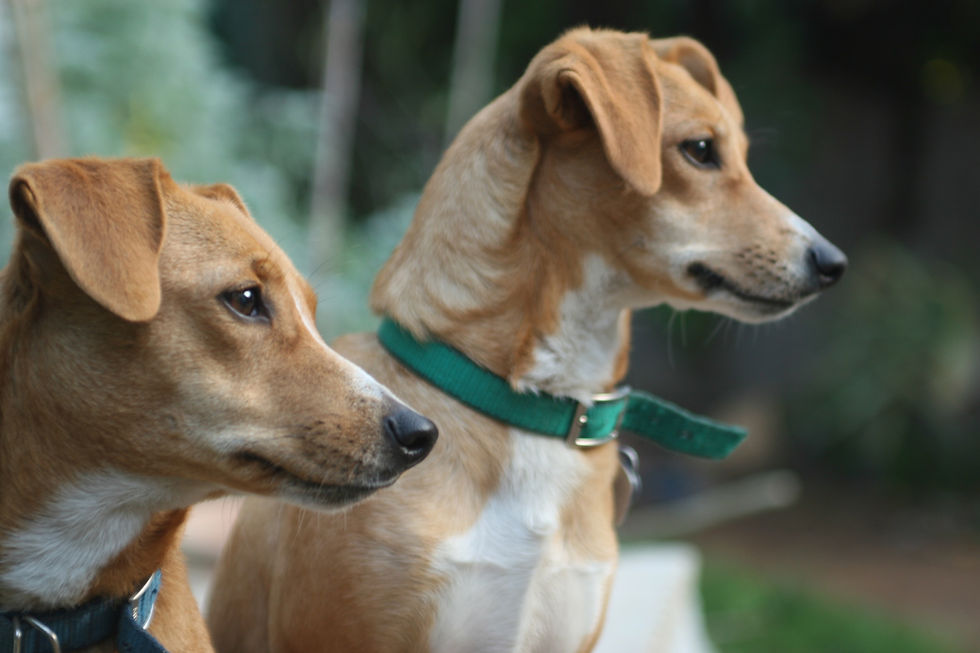
The adaptation and training process
We believe that every victim deserves a precise fit, not an “off the shelf” solution. Our process includes:
01
Initial assessment
פגישה עם הנפגע ובני משפחתו להבנת הצרכים, אורח החיים והסביבה הביתית
02
Choosing a dog
Matching the dog's breed, character, and age to the victim's personal profile
03
Professional training
Dog training by certified trainers in the field of therapeutic service dogs
04
Joint adaptation period
Providing the victim with tools for working with the dog, including basic commands and identifying distress.
05
Ongoing support
Continued professional support over the years, including updating the dog's skills.
Partners and funding sources
The association works in close cooperation with the government bodies responsible for the rehabilitation of victims:
IDF and security forces veterans – through the Rehabilitation Division at the Ministry of Defense
Victims of hostilities – through the National Insurance Institute
In certain cases – supplementary funding from the association’s philanthropic sources
| The association's staff accompanies those eligible throughout the submission and approval process with the funding bodies |