Social rehabilitation after post-traumatic stress disorder
To return home, to return to life
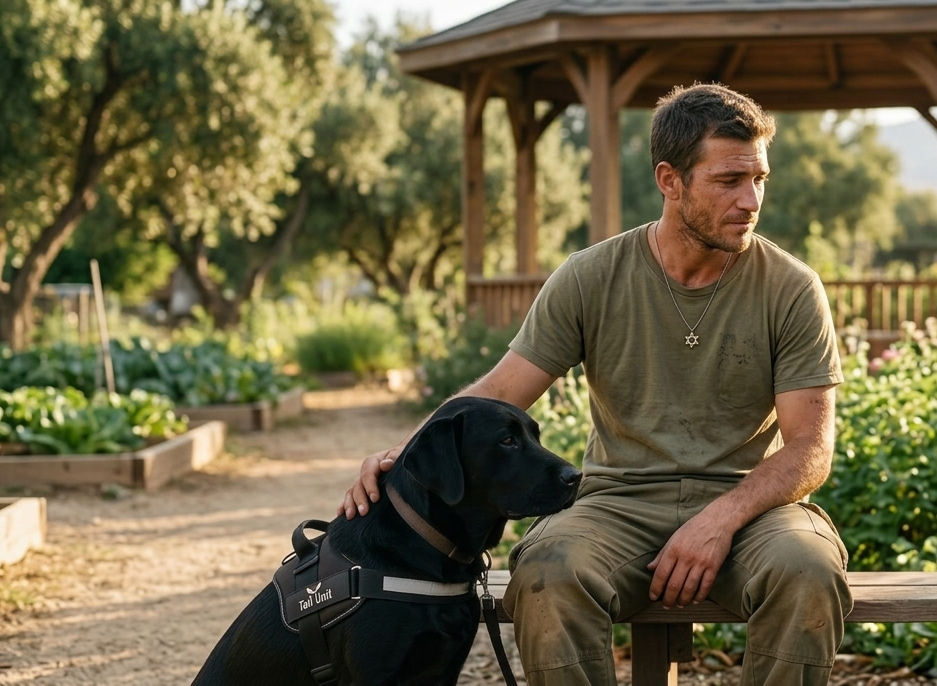
Trauma doesn't just stay inside you – it radiates to everything around you.
Post-traumatic stress disorder victims do not only experience harm within themselves. Relationships with spouses, children, extended family, friends, and work – all are affected. Social rehabilitation is not an “add-on” to mental rehabilitation – it is an integral part of it.
At the Tail Unit Association, we have developed a complete social rehabilitation system that accompanies the victim and the circles around him throughout the entire path to returning to a full life.
What does our social envelope include?
Support groups for PTSD victims
Structured group sessions led by professionals, where victims meet others who have gone through a similar journey. The group is often the first place where the victim feels "not alone."
Accompanying spouses and family members
Post-traumatic stress disorder is a "family disease" in many ways. We offer couples counseling, parenting workshops, and practical tools for family members to cope with the condition.
Peer Support
Connecting veteran victims, who have undergone a rehabilitation process, with victims who are just starting out. The support from a colleague who understands from the inside is sometimes the most significant support.
Return to employment support
Vocational rehabilitation, occupational guidance, and support in the return to work process – at a pace appropriate for each injured person.
A broad supportive community
Community events, IDF veterans' gatherings, family days at the farm, and joint ceremonies that create a sense of belonging and a common goal.
Life skills workshops
Workshops on communication, anger management, emotional regulation, and managing family life after trauma.
Philosophy: Not alone
Loneliness is one of the most difficult symptoms of post-traumatic stress disorder. Many survivors experience themselves as "different," "disconnected," or "not understood." Our social fabric is based on one guiding principle:
No victim walks the path alone.
The more the community around the victim understands, includes, and knows how to support, the more successful the rehabilitation process will be. We work with both him and everyone around him.

Who is accompanying?
Our social team includes:
- Social workers with training in trauma
- Clinical psychologists
- Couple and family therapists
- Life coaches and occupational counselors
- Peer mentors: veteran victims who have undergone specialized training
Additional services for family members
We offer several frameworks, depending on the needs of the victim: